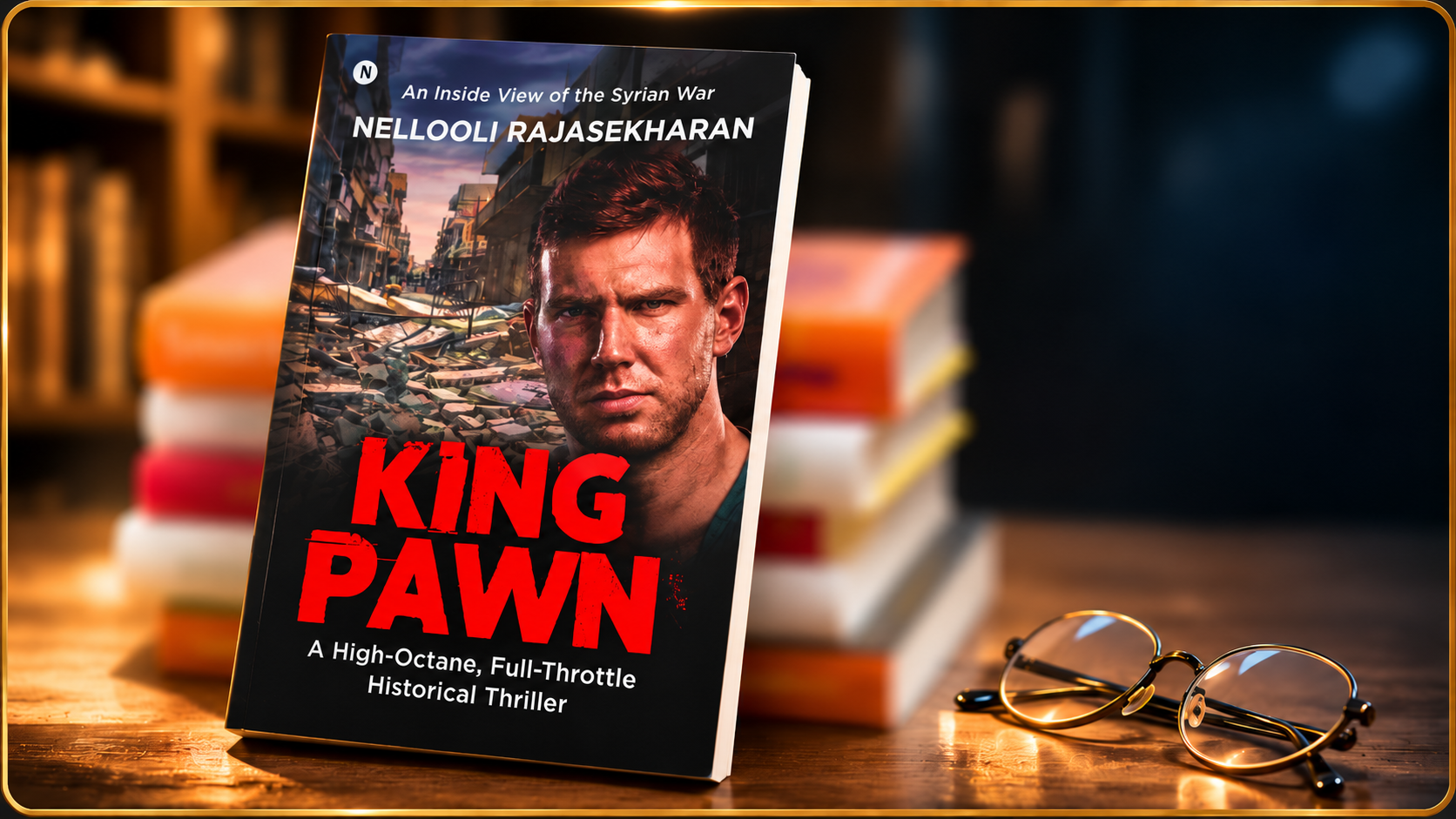
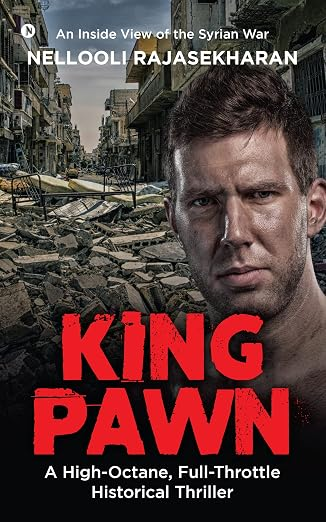
No one wins in a war. Robert Frost, a former soldier born to an American father and a Syrian mother, accepts a $30-million assignment to destabilise Syria’s regime. His motive is deeply personal: the money could help him reunite with his estranged wife and two daughters. Operating under the aliases Iftikar and Louai, he intensifies an existing uprising while Russian intelligence closes in. As his Syrian allies face devastating consequences, Robert discovers that he, too, is being manipulated. Drawing on firsthand experience in Syria and extensive historical research, King Pawn is a geopolitical thriller about divided loyalties, deception and the human cost of war—where even those who believe they control the game may be expendable.
Content note: Contains graphic violence, torture, sexual violence and suicide.
Some people die while they are still living. Others continue to live long after they are dead.
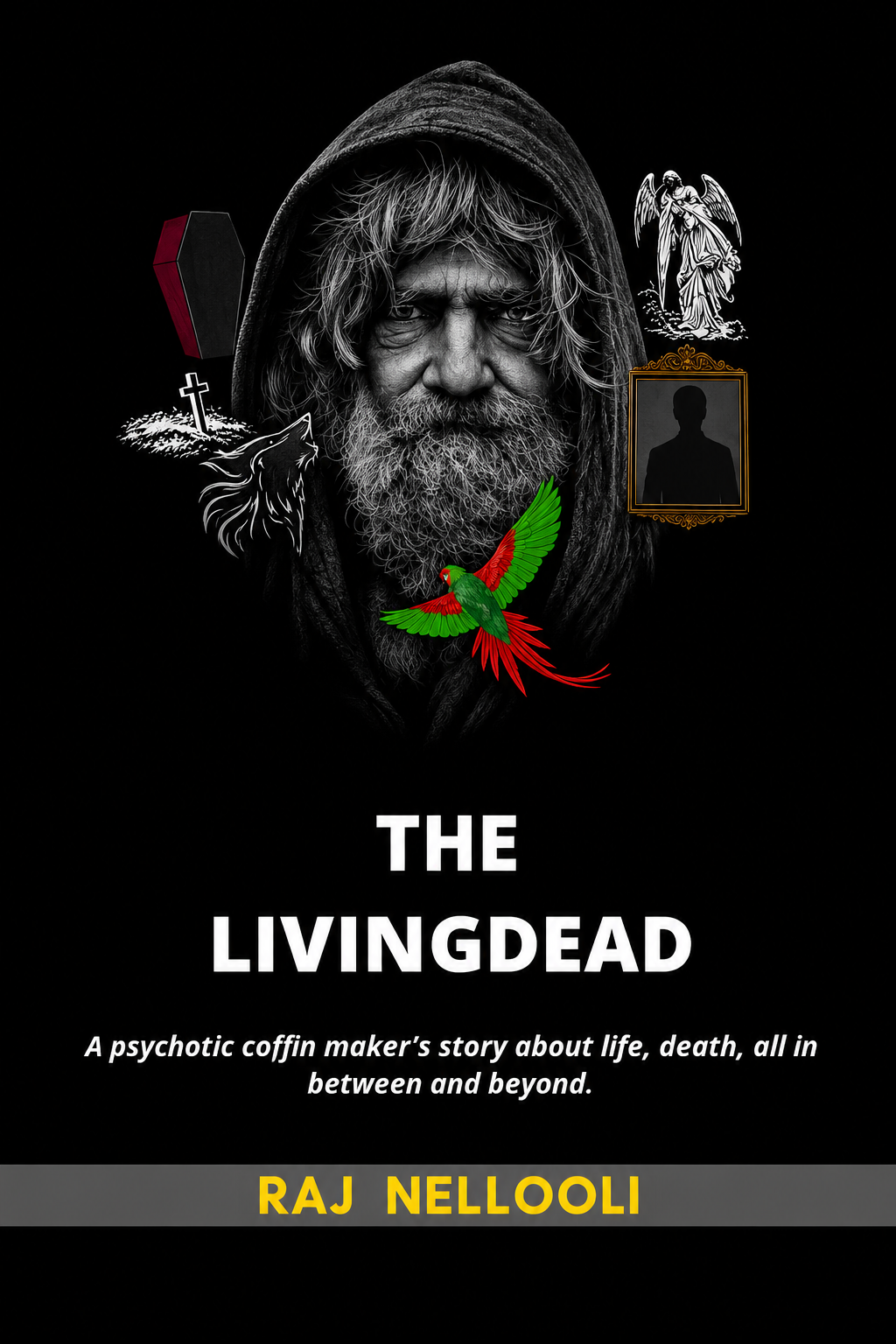
For seven generations, his family has built coffins, tombs and mausoleums for the dead. But for one coffin maker, death is more than an inherited profession: it is an obsession, a mystery and a mirror held up to life’s contradictions. In a kaleidoscopic world where reality slips into dreams, hallucinations, fairy tales and magical realism, the dead return, ancestors step out of portraits, a parrot tells extraordinary stories and a mysterious ivory coffin carries an ancient curse. Here, the living, the dead and the living dead coexist beyond the boundaries of time and reason.
Beneath these unsettling visions lies a deeply human story of love, loss and family. Through his relationships with his mother, his wife and his dead twin brother, the narrator confronts the gulf between belief and understanding, love and responsibility, existence and fulfilment. Darkly imaginative and philosophical, The Living Dead is not simply a novel about death: it asks what it truly means to be alive.
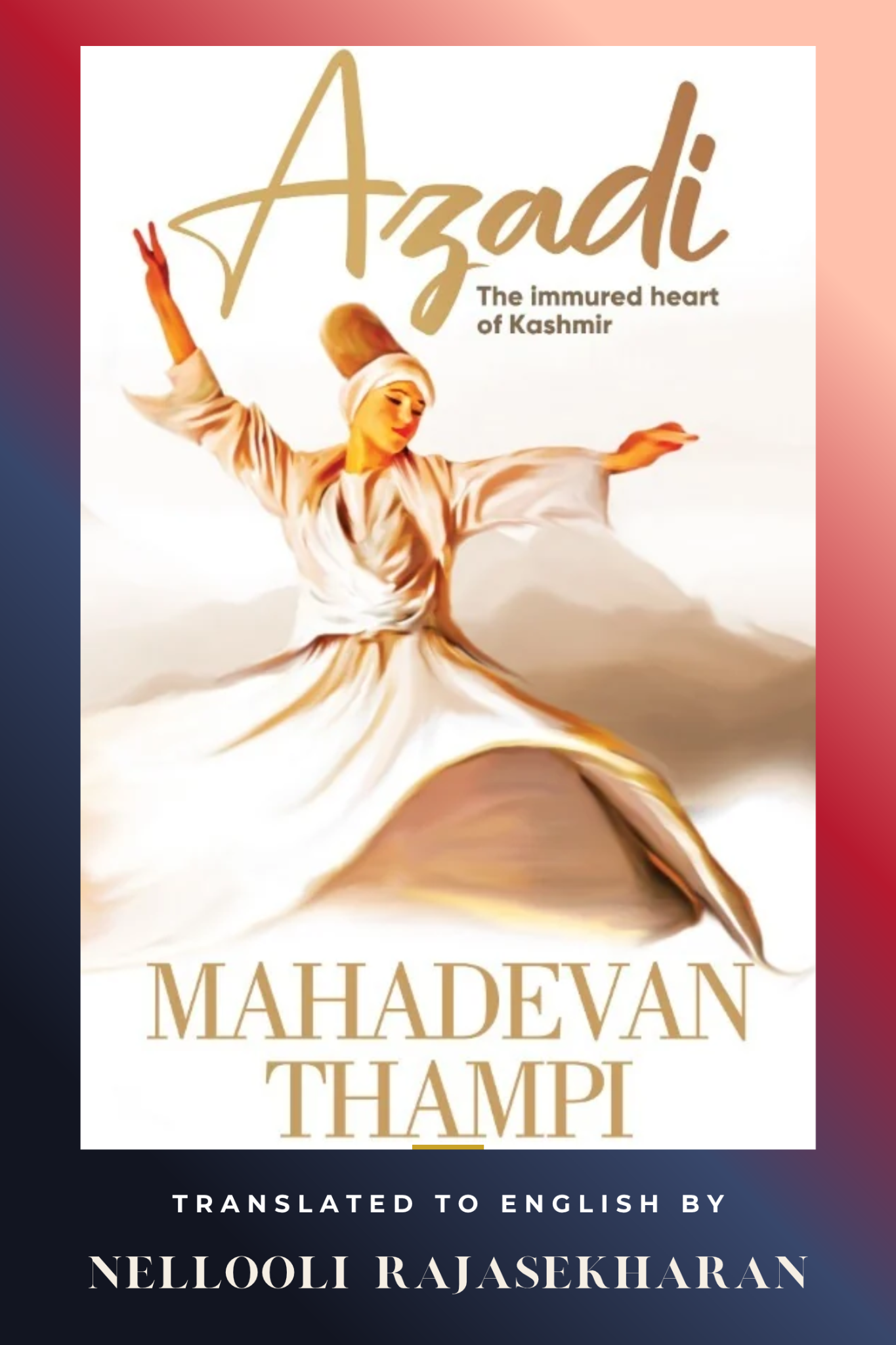
I was so moved by S. Mahadevan Thampi’s Malayalam novel Azadi that I translated it into English. Set against the political tensions of Kashmir, this absorbing story brings the region’s turbulent history into intimate contact with the lives of its people.
As his life draws to a close, Beytullah, a Kashmiri freedom fighter and Gandhian, longs to see his old friend P. P. Menon, who served as a senior bureaucrat in Kashmir decades earlier. Despite his failing health, Menon undertakes a perilous journey from Kerala to Kashmir. Accompanying him is his grandson Hari, who heads a special task force of the Indian Armed Forces in Kashmir.
Beytullah has guarded a startling secret for decades. Before he dies, he wants Menon to hear it. But their reunion draws Menon into a volatile world of politics and conflict, where the personal and the political converge with dangerous consequences.
Weaving a suspenseful personal story through the larger realities of Kashmir, Azadi explores loyalty, memory, friendship and the lives of people caught in conflict. It is a compelling novel that offers both an engrossing narrative and a deeply human perspective on a troubled region.
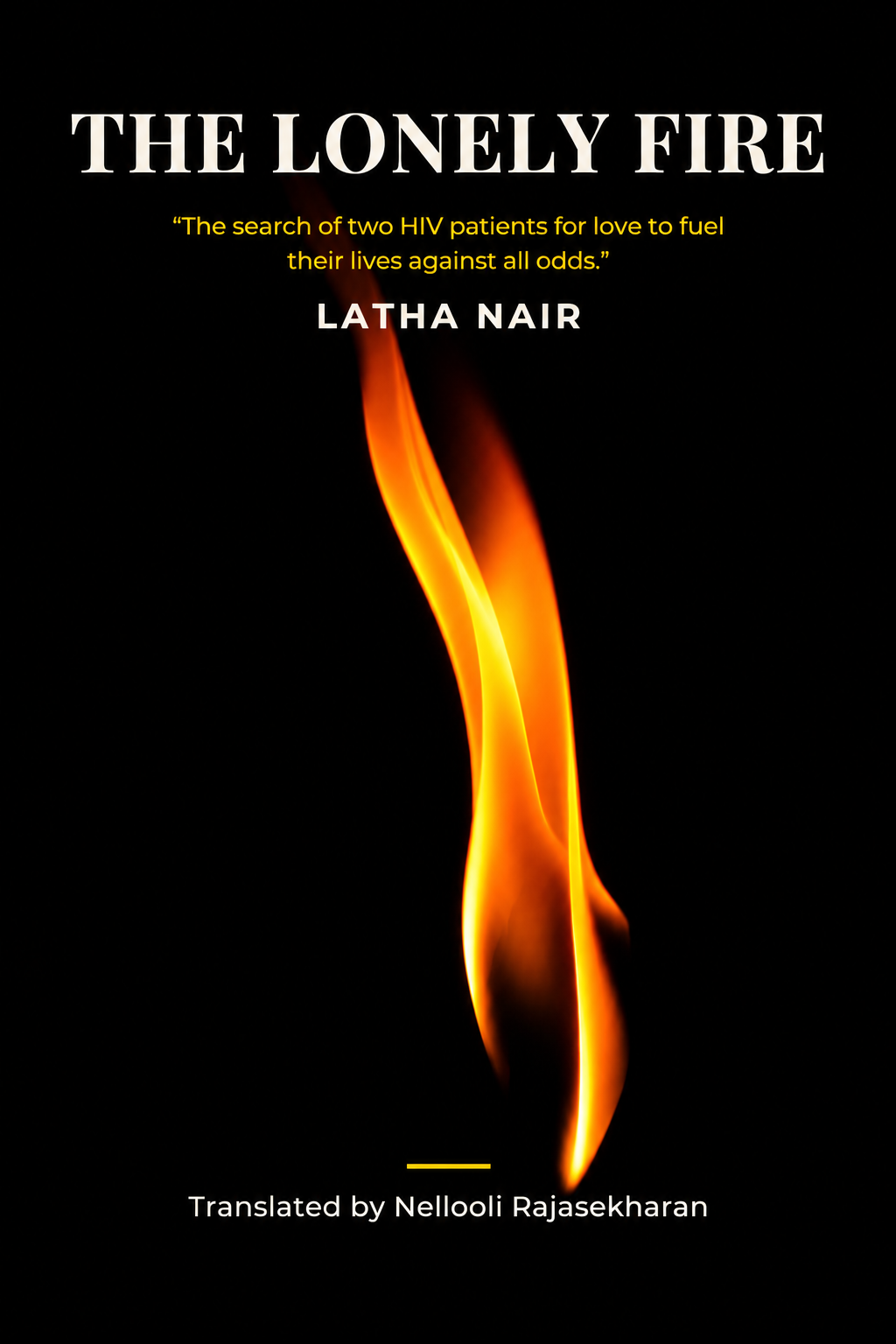
I was deeply moved by the hope and humanity of Latha Nair’s Malayalam novel, and I translated it into English so that more readers could discover its message.
The Lonely Fire tells the painful yet courageous stories of people living with HIV who have been pushed to the margins of society. Judged, shunned and treated as though their illness were a moral failing, they carry grief that few are willing to hear. Each struggles with isolation — a solitary flame burning against indifference and prejudice.
Yet this is not simply a novel of suffering. Among those who have faced rejection are people who meet life with courage, compassion and even a smile. Reaching out to others in similar circumstances, they discover solidarity, purpose and moments of joy. Their quiet resilience illuminates the novel’s central message: no human being should be defined by illness or denied dignity and belonging.
Heartbreaking yet ultimately affirming, The Lonely Fire gives voice to lives too often overlooked and celebrates the strength of those who refuse to let prejudice extinguish their humanity.
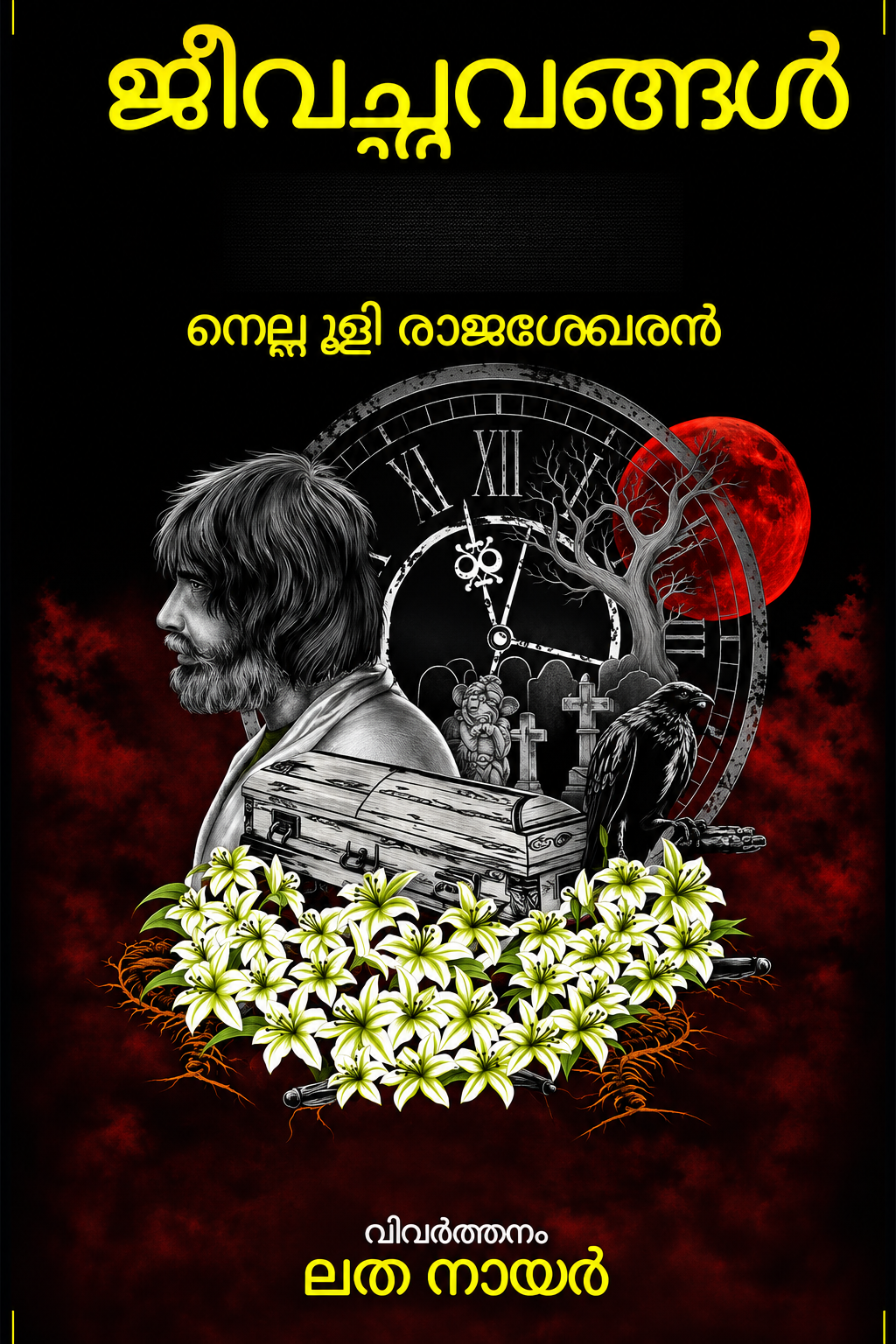
Jeevachavangal is Latha Nair’s Malayalam translation of my novel The Living Dead — a darkly imaginative and philosophical exploration of life, death and the fragile boundaries between them. Some people die while they are still living. Others continue to live long after they are dead.
For seven generations, the narrator’s family has made coffins, tombs and mausoleums. Yet for this coffin maker, death is more than a livelihood. It is an obsession, an enduring mystery and a mirror of life’s contradictions. In a kaleidoscopic narrative that moves between dreams, hallucinations, fairy tales and magical realism, the dead return, ancestors step out of portraits, a parrot tells extraordinary stories and a small ivory coffin bears an ancient curse. Here, the living, the dead and the living dead share a world beyond ordinary time and reason.
Beneath the unsettling and surreal imagery lies a profoundly human story of love, loss, family and the search for meaning. Through his relationships with his mother, wife and dead twin brother, the narrator confronts the distance between belief and understanding, love and responsibility, existence and fulfilment.
Enter a world where even death is not the end of the story.
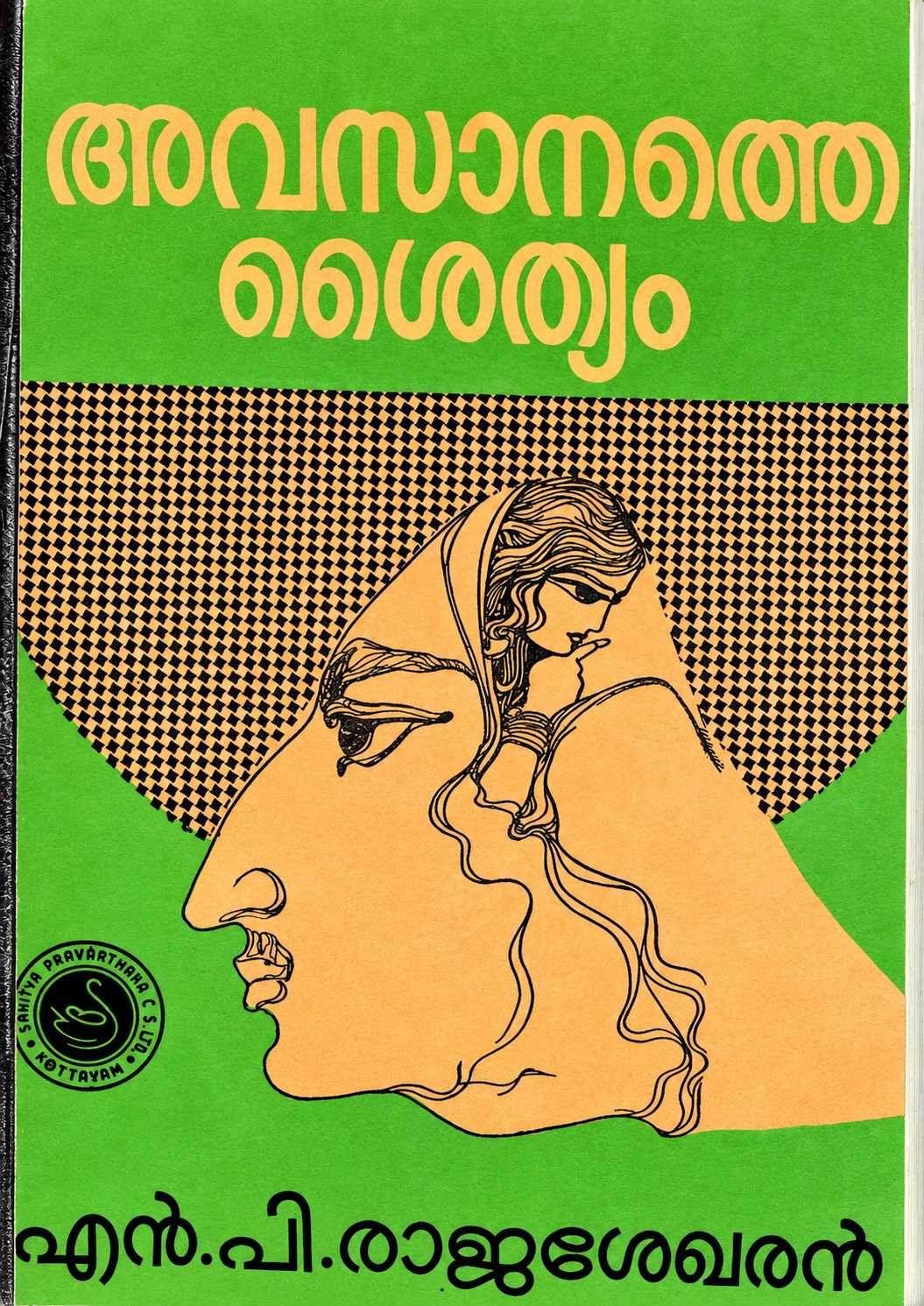
I wrote Avasanathe Shaithyam, my first novel, in 1970, when I was just 19. It was published in 1983 by National Book Stall, one of the respected Malayalam publishers of its time.
Looking back, I find the book fascinating for a very personal reason: I would not write a novel like it today — indeed, I could not. It belongs to the intensity, conviction and unguarded enthusiasm of a young man impatient to enter the world of literature. That youthful voice is what makes the novel special to me now.
The book is currently out of print, and I hope to bring it back to readers in a new edition.
Written 1970 (age 19) · First published 1983 by National Book Stall · Out of print · New edition hoped for
Malayalam novel · Third edition · 1982 jury award
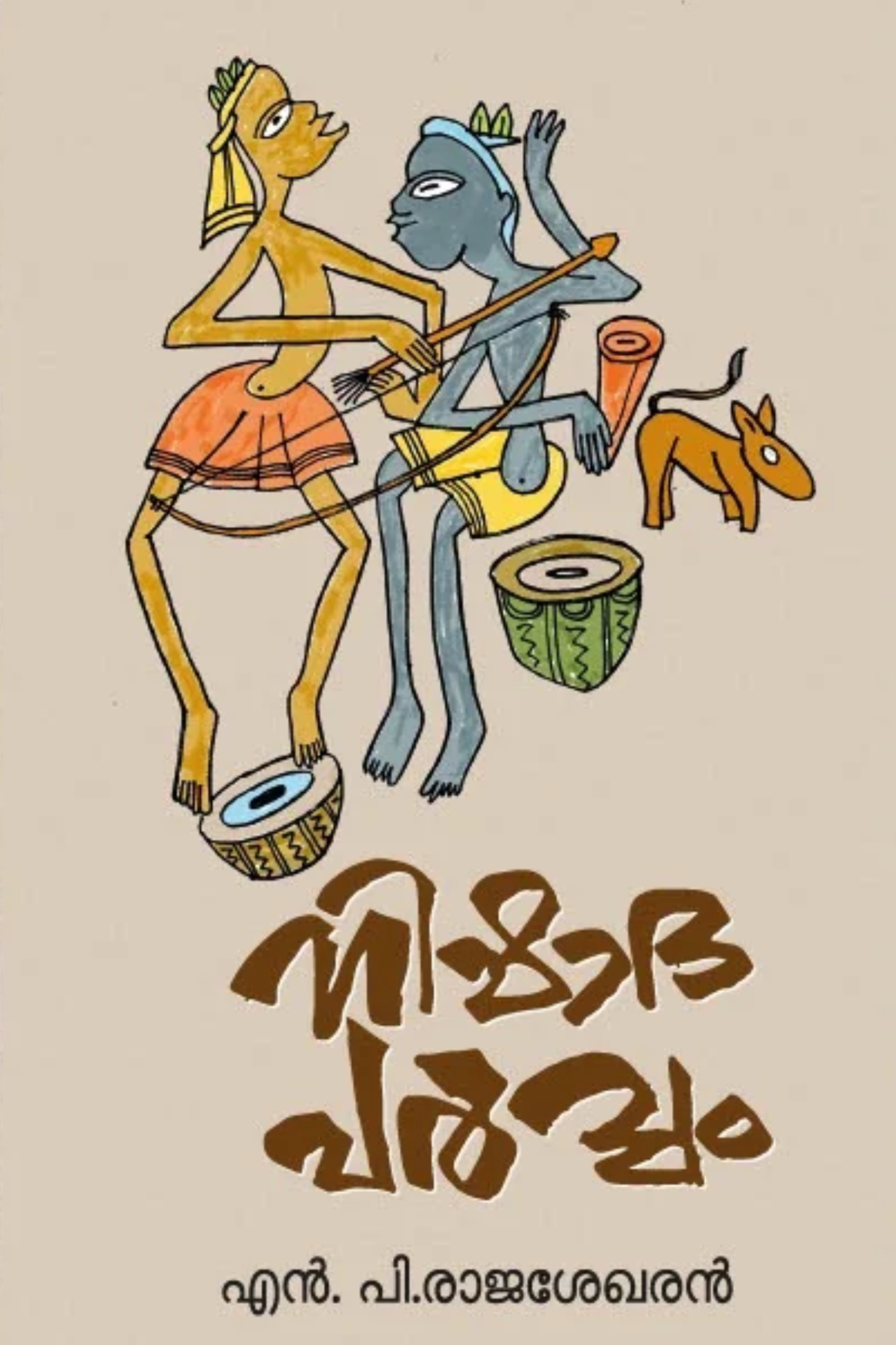
Nishada Parvam
Written in 1978, Nishada Parvam draws on my personal experiences among Santhal communities in what were then known as Orissa and West Bengal. Set against the backdrop of tribal life, the novel explores exploitation, inequality and the human cost of greed. It was serialised in a leading Malayalam weekly and won the Kunkumam Judges’ Jury Award in 1982.
Decades later, its concerns remain urgent. India has made remarkable progress, but the exploitation of tribal communities and the struggle for genuine inclusion have not disappeared. Publishing the third edition holds special meaning for me at a time when Droupadi Murmu, herself from a Santhal family, serves as President of India — a possibility almost unimaginable when I wrote the novel in 1978. Her achievement is a powerful symbol of change, even as the questions raised by Nishada Parvam continue to demand attention.
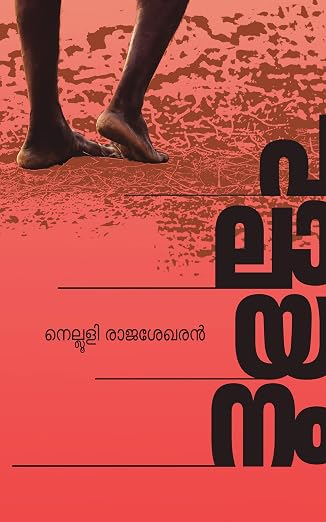
Set in a Kerala village, Palayanam follows Kuttishankaran, a man seemingly destined to be on the run. After his sister takes her own life, unable to bear the weight of guilt, he flees to a town in West Bengal. There, he seeks refuge in the quiet anonymity of a bank clerk’s life — but his escape is short-lived. He eventually returns to his village, hoping to settle at last. Fate, however, has other plans.
Beneath this moving story of flight and return lie unsettling truths about guilt, loss and the selves we hide behind our everyday masks. Perhaps each of us carries something of Kuttishankaran within: a fragment as beautiful as a peacock feather, or as enduring as a glowing ember.
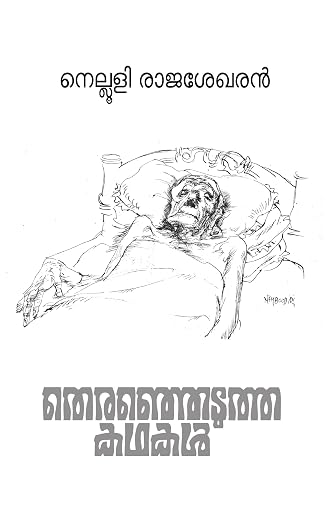
Selected from stories written over several decades, the ten works gathered in Theranjedutha Kadhakal open a window into the human heart. In some, relationships shape destiny and silence carries as much weight as speech. In others, time quietly transforms love, memory and loss.
Written with sensitivity and literary restraint, these stories move through delicate emotional landscapes without excess or melodrama. They evoke a world slowly slipping away, where love seldom announces itself loudly but emerges through recognition and understanding, as uncertainty gives way to truth. Each story is brief enough to read in a single sitting, yet its emotional resonance remains. Intimate and humane, the collection invites readers to recognise something of their own lives, relationships and feelings in its pages.
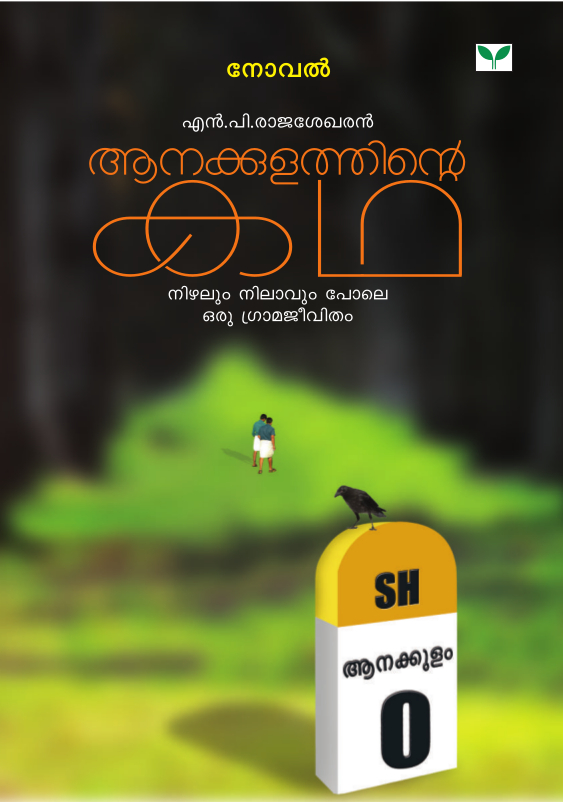
Anakkulathinte Kadha is a full-length satirical novel set in an imaginary village near Pala in Kerala. Humour runs throughout the novel, while at a deeper level it examines medical ethics. Through a mock-serious lens, it holds a mirror to sociological changes and the present condition of village life in Kerala.
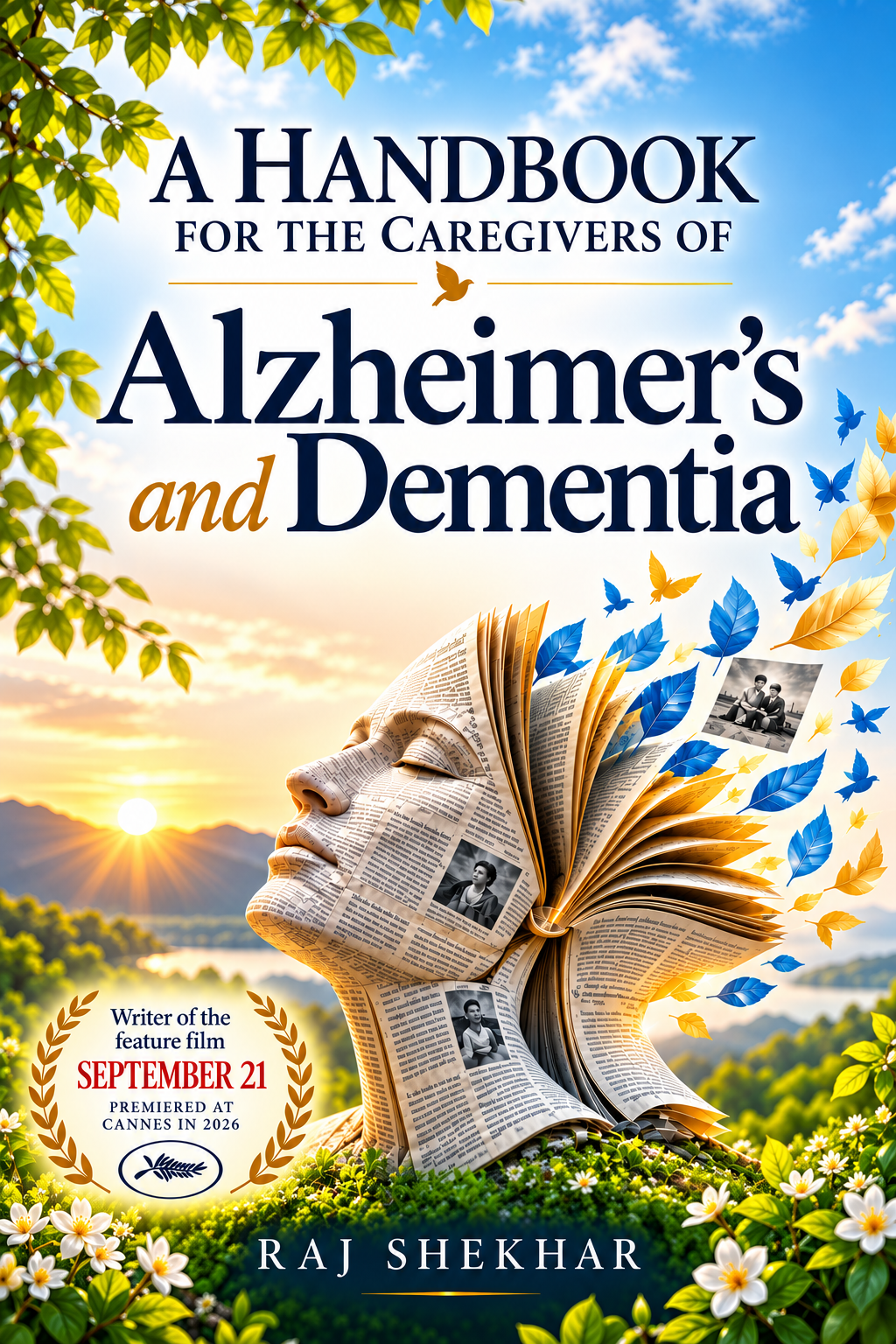
A Handbook for the Caregivers of Alzheimer's and Dementia
I hope you will never need this book. But many caregivers do. A Handbook for the Caregivers of Alzheimer's and Dementia brings together clear explanations, family stories and practical guidance to help spouses, adult children and other family carers face the challenges of dementia with greater understanding and confidence.
The book explains how to recognise early signs, communicate with compassion, respond to changes in behaviour, make the home safer and plan for the costs of care. It also gives attention to carers themselves: the guilt, grief, anger and exhaustion that can accompany caregiving, and the importance of finding support and safeguarding their own well-being.
Alongside guidance on everyday care, it explores brain health, emerging research and the role of community support. Extensive contacts and resources help families find information and assistance. The book is educational, not a substitute for professional medical advice, and encourages readers to seek appropriate clinical guidance.
Memory may fade. Compassion, connection and dignity must endure.
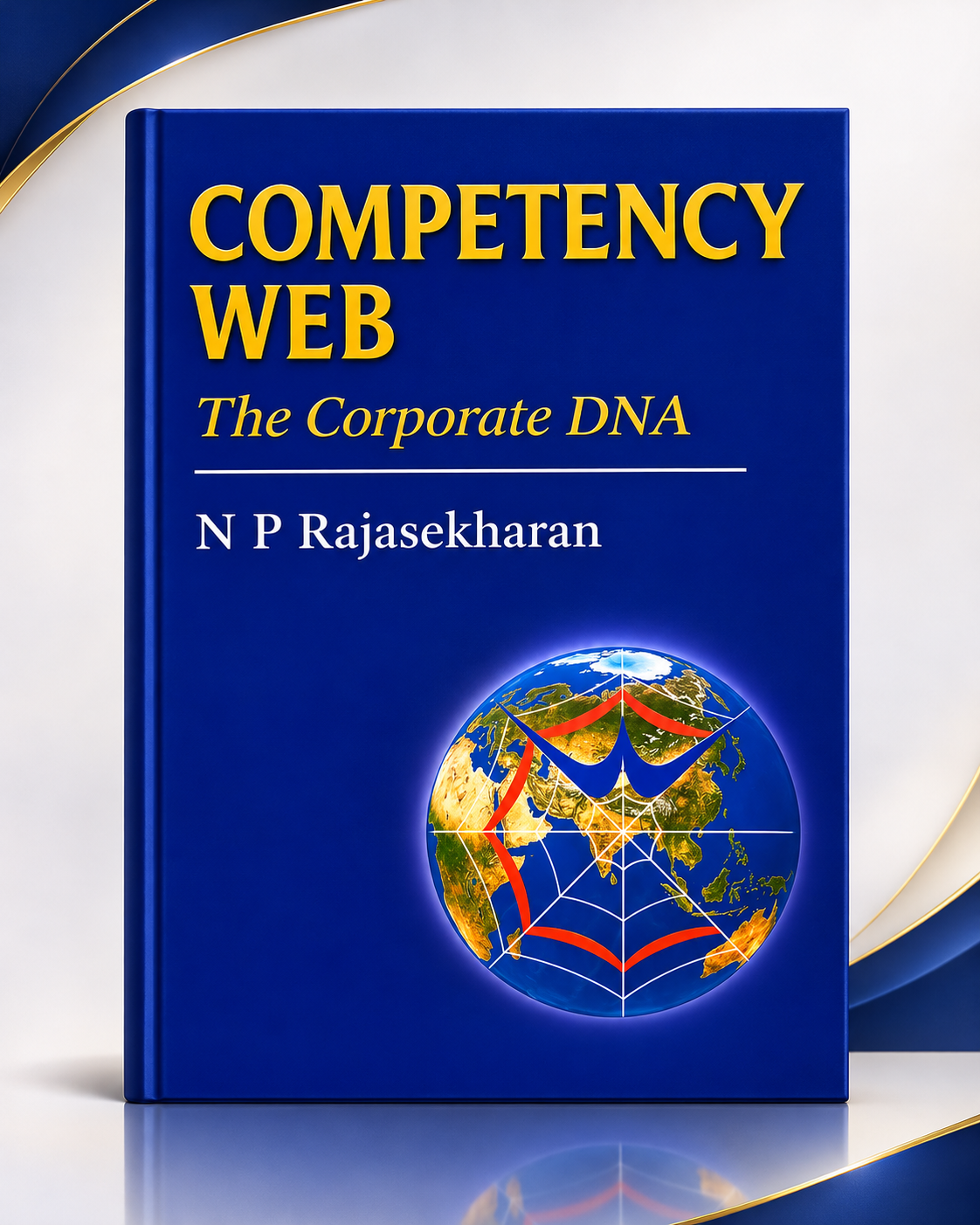
First published in 2002, Competency Web: The Corporate DNA returns in a revised edition with updated content and practical tools. Its integrated framework explains how competencies are created, connected, developed, deployed and continually renewed across an organisation. The book challenges the conventional idea that competency and talent management belong primarily to human resources: competencies are a fundamental source of organisational capability, strategic differentiation and long-term competitiveness. By showing how to put this model into practice, Competency Web offers organisations a structured way to strengthen their capabilities and prepare for the future.
Comments about books, films, music, articles or any part of the website are welcome. Choose the page or work from the dropdowns.